August 5, 2026
The global economy relies heavily on the constant movement of goods, materials, and equipment. From agricultural produce headed to grocery stores to heavy machinery transported to construction sites, commercial trucks serve as the essential backbone of supply chains worldwide. Because these vehicles travel thousands of miles every week under demanding conditions, structural and mechanical dependability is not just a preference—it is an absolute operational requirement. A single unexpected breakdown can disrupt schedules, spoil temperature-sensitive cargo, and result in severe financial losses for businesses.
Maintaining peak operational capability requires deep engineering expertise and rigorous maintenance protocols. According to Business Research Insights, keeping heavy-duty trucks in shape requires reliable diesel repair services, as 97% of those trucks run on diesel. Because heavy-duty transportation relies so overwhelmingly on specialized compression-ignition engines, the ongoing dedication of skilled diesel mechanics is essential to keeping supply chains moving forward smoothly without catastrophic disruptions.
Evaluating the High Costs of Vehicle Downtime
When a commercial vehicle experiences a mechanical failure on the highway, the financial consequences go far beyond the immediate cost of a tow truck and replacement parts. Vehicle downtime creates a ripple effect that touches every part of a logistics operation. Missed delivery windows can trigger financial penalties from clients, damage a company's professional reputation, and lead to lost contract opportunities. Furthermore, drivers forced to wait on the roadside lose valuable driving hours under strict transportation compliance regulations.
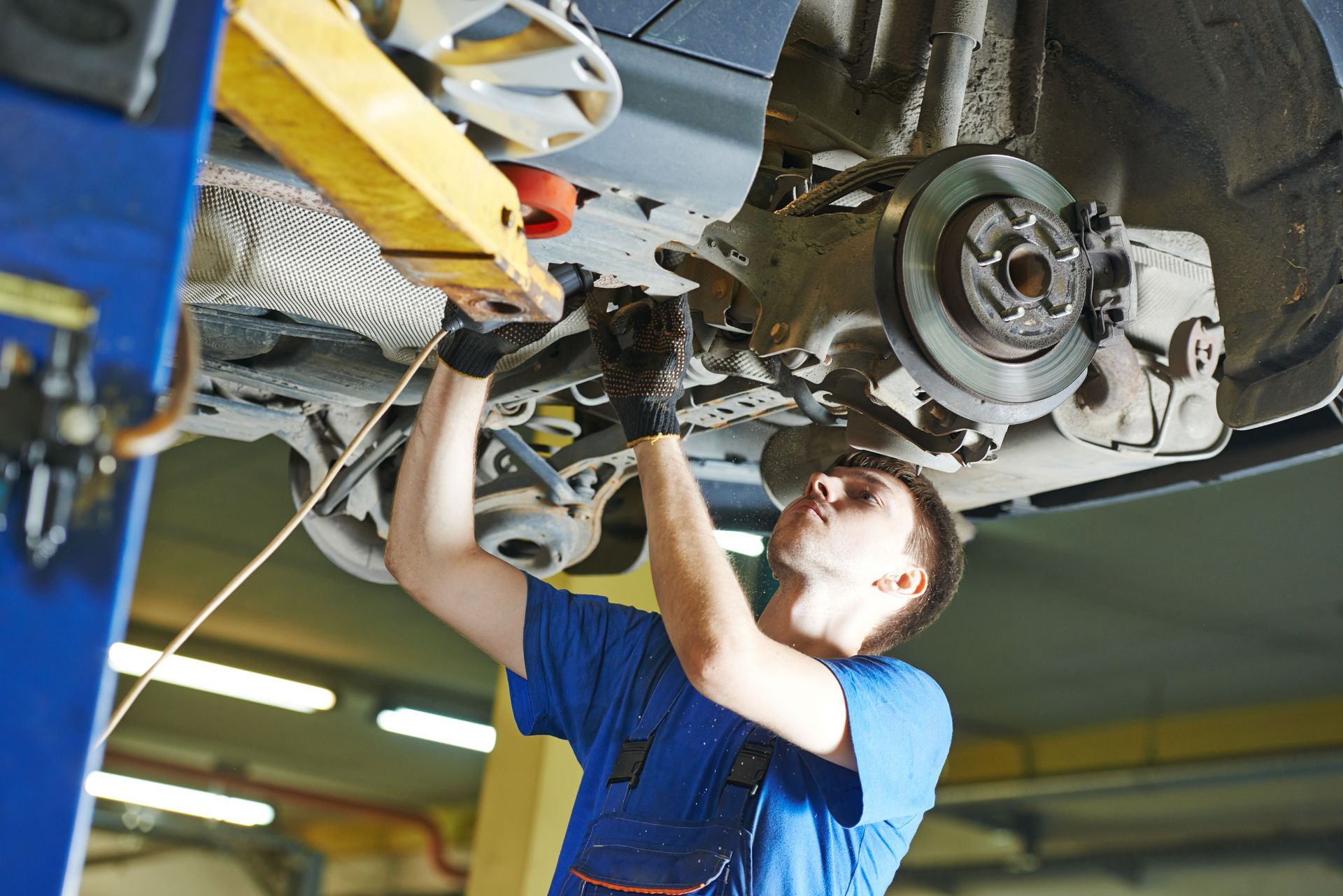
Preventing these costly scenarios requires proactive care rather than reactive fixes. Routine inspections conducted by experienced diesel mechanics help catch minor component wear before it escalates into full-scale system failure. By identifying fraying belts, minor fluid leaks, or subtle compression losses early, maintenance teams can schedule repairs during planned downtime. This preventative approach keeps commercial fleets on the road, protects profit margins, and ensures that deliveries arrive reliably on schedule.
Assessing Engine Longevity and Power Demands
Heavy-duty commercial vehicles face severe environmental and mechanical demands that far exceed those placed on ordinary passenger cars. Hauling tens of thousands of pounds up steep mountain grades, idling in extreme weather conditions, and enduring long stretches of highway driving put tremendous stress on internal engine components. For a truck to deliver years of reliable service, its powertrain must be built to withstand continuous high-torque operations.
Maintaining high-torque powertrains over hundreds of thousands of miles requires precision maintenance and specialized technical knowledge. Highly trained diesel mechanics understand how to monitor thermal efficiency, manage complex exhaust aftertreatment systems, and maintain high-pressure fuel injection units. Regular oil analysis, valve adjustments, and cooling system flushes preserve internal components, allowing heavy-duty engines to reach their multi-hundred-thousand-mile potential without suffering premature wear or internal failure.
Managing Safety Protocols and Roadway Compliance
Reliability in commercial trucking is directly tied to safety on public roads. A heavy-duty vehicle weighing up to eighty thousand pounds requires fully functional braking systems, steering components, and structural frames to operate safely alongside consumer traffic. Mechanical failures such as sudden brake fade, tire blowouts, or steering linkage issues pose catastrophic safety hazards for truck drivers and nearby motorists alike.
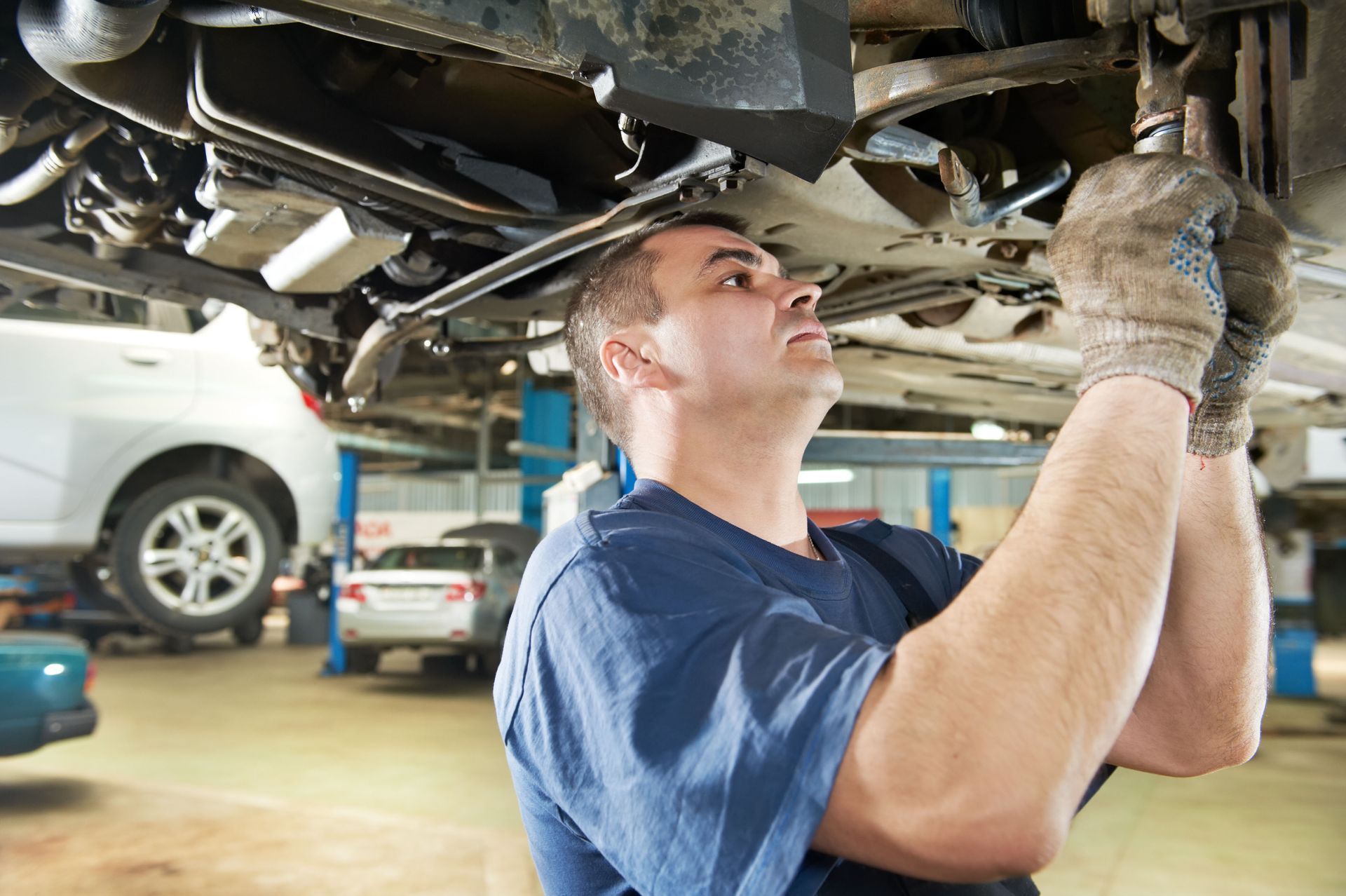
Ensuring that every vehicle meets rigorous federal and state safety standards requires methodical technical inspections. Dedicated diesel mechanics carefully evaluate vital safety systems, including air brake lines, suspension bushings, wheel bearings, and lighting circuits during routine service visits. Keeping these critical components in top condition ensures compliance with official roadside inspections and protects everyone sharing the highway from preventable mechanical accidents.
Optimizing Fuel Efficiency and Emission Control Systems
Fuel is one of the largest ongoing operational expenses for any trucking company. A vehicle operating with reduced engine efficiency burns significantly more fuel per mile, rapidly driving up operating costs across a large fleet. Maintaining optimal engine calibration, proper air intake flow, and clean fuel delivery systems is essential for extracting the maximum amount of energy from every gallon of fuel consumed.
Modern heavy-duty vehicles are also equipped with sophisticated emissions control technology designed to reduce environmental impact, including Selective Catalytic Reduction systems and Diesel Particulate Filters. Expert diesel mechanics play a crucial role in maintaining these intricate systems. By cleaning clogged filters, monitoring sensor outputs, and replacing faulty exhaust recirculating valves, technicians ensure vehicles run efficiently while remaining fully compliant with environmental regulations.
Integrating Telematics and Modern Diagnostic Tools
The landscape of heavy-duty vehicle maintenance has evolved significantly with the integration of advanced telematics and real-time electronic diagnostics. Modern trucks continuously collect data on engine performance, transmission fluid temperatures, boost pressures, and sensor readouts. This constant stream of information allows fleet managers to transition from traditional calendar-based service schedules to predictive maintenance models.
Interpreting complex digital data requires technicians who blend traditional mechanical skill with high-level software diagnostics. Professional diesel mechanics utilize advanced diagnostic software to read trouble codes, analyze live engine metrics, and identify subtle performance anomalies before a driver ever notices a physical symptom. Combining smart vehicle technology with hands-on technical expertise ensures that potential mechanical issues are resolved with incredible accuracy and speed.
Navigating Seasonal Challenges and Harsh Operational Climates
Commercial trucks operate through extreme weather conditions that place distinct physical burdens on heavy-duty components. Winter freezing temperatures put heavy demands on batteries, fuel delivery lines, and engine block heaters, while summer heat waves strain cooling systems, air conditioning units, and tire treads. Ensuring year-round dependability requires adapting maintenance strategies to match seasonal demands before harsh weather hits.
Preparing a vehicle for environmental extremes involves methodical checks on anti-gel fuel additives, coolant concentration ratios, and thermal management systems. Experienced technicians evaluate heat exchangers, inspect rubber hoses for temperature degradation, and ensure air dryer cartridges are fresh to prevent moisture freezing within brake lines. By proactively managing climate-related vulnerabilities, fleets remain operational and dependable through freezing blizzards and scorching summer road conditions alike.
Building Strong Fleet Partnerships for Long-Term Value
Achieving long-term vehicle dependability is rarely the result of occasional, isolated repair jobs; it requires a consistent, strategic partnership with a dedicated repair facility. A trusted shop acts as an extension of a fleet's management team, keeping detailed service logs, tracking wear patterns across specific vehicle builds, and establishing customized preventative maintenance programs. This level of institutional knowledge ensures that every vehicle receives tailored care aligned with its workload, age, and duty cycle.
Strong maintenance partnerships also streamline parts inventory management, reduce turnaround times for routine services, and provide peace of mind to drivers out on the road. When drivers know their equipment is backed by thorough technical oversight, they can focus on navigating routes safely and efficiently. Establishing a reliable service pipeline protects capital investments, stabilizes operational costs, and keeps businesses moving forward with complete confidence.
A commercial truck is a major capital investment, and maintaining its long-term value is critical for financial sustainability. Fleet managers and independent owner-operators must protect their equity by ensuring every vehicle receives consistent, high-quality maintenance throughout its operational lifecycle. A detailed, documented history of regular service significantly enhances a vehicle's resale or trade-in value when the time comes to upgrade equipment.
The long-term success of the transportation industry hinges on building and maintaining a reliable fleet infrastructure. Partnering with qualified diesel mechanics ensures that heavy-duty vehicles remain durable, fuel-efficient, and fully compliant with safety standards. Prioritizing mechanical reliability keeps commercial trucks rolling, protects the businesses that rely on them, and ensures the continuous movement of goods that powers the global economy. Contact Jag's Pro Truck Shop today to schedule your next service appointment and keep your diesel trucks running with maximum reliability and power.