



The Importance of Preventative Maintenance Schedules Designed by Diesel Mechanics
Keeping heavy-duty vehicles and machinery in top condition requires more than quick repairs or reactive fixes. Preventative maintenance plays a crucial role in reducing downtime, avoiding costly breakdowns, and extending the overall lifespan of equipment. When preventative maintenance schedules are created and overseen by trained professionals, operators can be confident that their vehicles will run smoothly, safely, and efficiently. This is especially important for industries that depend on transportation, logistics, construction, or agriculture, where even minor delays can have significant financial impacts.
In recent years, businesses have become increasingly aware of the value of proactive care. Instead of waiting for issues to develop, many fleet owners and equipment operators are adopting structured maintenance schedules that focus on early detection and consistent upkeep. These schedules can help catch problems before they become major concerns, ultimately saving money and improving performance. Preventative maintenance is more than a recommended practice. It is a strategic approach that keeps operations stable and engines functioning at their best.
Below, we explore why preventative maintenance schedules are essential, the benefits they offer, and what makes them especially effective when designed by professionals who understand the inner workings of diesel-powered equipment.
Understanding the Value of Professional Expertise
One of the greatest advantages of having preventative maintenance schedules designed by diesel mechanics is the level of expertise these professionals bring. Their deep understanding of diesel engines, components, and systems allows them to identify issues that may not be apparent to untrained operators. They know how small signs of wear, unusual noises, or changes in performance can indicate underlying problems. This type of detailed insight helps ensure that nothing is overlooked during routine inspections.
Diesel engines are complex, and maintaining them requires both mechanical skill and technical knowledge. As technology continues to advance, engines now include sophisticated diagnostic systems, computerized controls, and advanced emissions equipment. Professionals who understand how to navigate these systems are better equipped to create maintenance strategies that keep engines running efficiently. Because problems can arise gradually, regular check-ins guided by knowledgeable technicians make all the difference.
It is also important to consider how training and experience contribute to the effectiveness of a maintenance plan. According to the Bureau of Labor Statistics, the median annual wage for diesel service technicians and mechanics was $60,640. The bottom 10 percent earned less than $41,670, while the top 10 percent earned more than $85,980. These numbers highlight the demand and value of qualified professionals in this field. When skilled individuals design and oversee preventative maintenance schedules, operators benefit from expertise that aligns with industry expectations and the growing need for reliable technical support.
Increasing Equipment Longevity and Reducing Costs
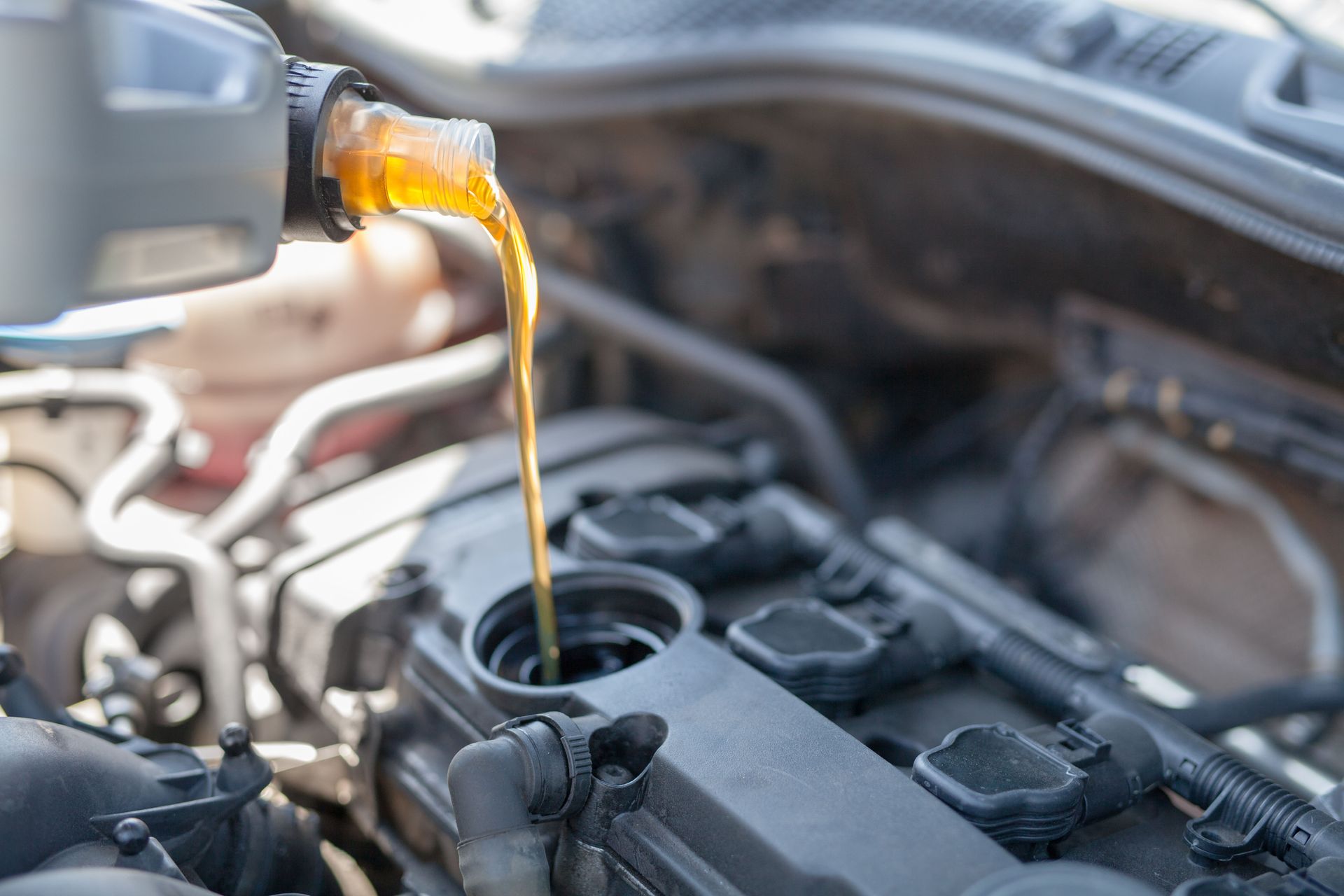
Keeping vehicles and machinery in good working order can significantly reduce operating costs, especially over the long term. Preventative maintenance schedules help avoid expensive repairs that often result from neglected issues or sudden failures. When basic tasks such as lubrication, filter changes, fluid checks, and component adjustments are completed regularly, engines experience less strain and wear. This leads to longer equipment life and fewer costly overhauls.
Diesel mechanics often tailor schedules to the specific needs of each piece of equipment. This customization ensures that vehicles with high mileage, heavy workloads, or harsh operating conditions receive the care they require. Instead of relying on general recommendations, mechanics analyze real-world use, environmental factors, and performance trends. This results in targeted maintenance that preserves equipment and prevents unexpected downtime.
Financial savings extend beyond repair costs. Regular maintenance often leads to improved fuel efficiency, which can significantly reduce operating expenses for fleets or individual operators. Small issues such as clogged filters, worn belts, or improper lubrication can cause engines to work harder, burning more fuel to achieve the same power output. Addressing these issues early not only protects the engine but also keeps fuel consumption predictable and manageable.
Over time, consistently following a professionally designed maintenance schedule can also increase the resale value of equipment. Buyers often seek machinery that has been well cared for, with documentation showing regular servicing and inspections. Equipment that has benefited from ongoing preventative maintenance is typically more reliable, making it more desirable in the used market.
Enhancing Safety and Mitigating Risks
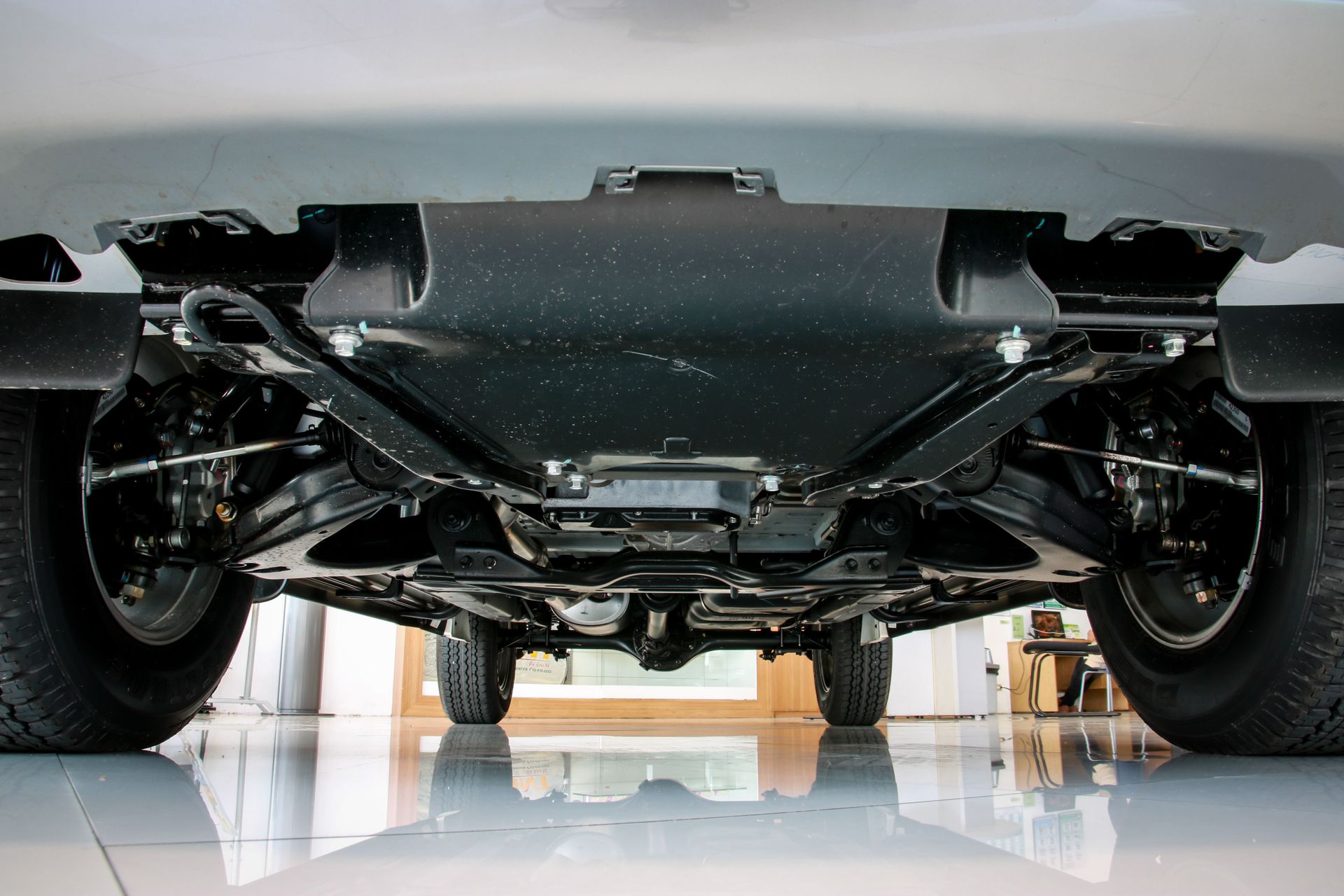
Safety is a major concern in industries that rely on heavy-duty vehicles and machinery. Whether transporting goods, operating construction equipment, or handling agricultural machinery, the risks associated with mechanical failure can be significant. Preventative maintenance schedules designed by diesel mechanics help minimize safety hazards by ensuring that engines, brakes, hydraulics, and electrical systems remain in proper working condition.
Unaddressed mechanical issues can lead to accidents, injuries, or significant property damage. For example, worn brakes, malfunctioning lights, or leaking fluids can create dangerous situations for drivers, operators, and anyone working nearby. Diesel mechanics are trained to spot early signs of these problems and include them in routine inspection checklists. This proactive approach significantly reduces the likelihood of equipment-related incidents.
Preventative maintenance also ensures compliance with industry regulations and safety standards. Many sectors have strict guidelines for inspection, emissions, and operational performance. By following a maintenance plan created by professionals, businesses can confidently meet these requirements and avoid penalties or downtime caused by noncompliance.
Improving Operational Efficiency and Reducing Downtime
Downtime can be costly, especially for businesses that rely on continuous operation. When equipment breaks down unexpectedly, schedules must be adjusted, deadlines may be missed, and productivity can suffer. One of the most significant advantages of preventative maintenance schedules designed by diesel mechanics is their ability to reduce downtime and keep operations running smoothly.
Regular servicing helps ensure that small issues are resolved before they escalate into major repairs. Diesel mechanics use diagnostic tools, visual inspections, and performance testing to detect signs of wear or inefficiency. By addressing these concerns early, they prevent sudden failures that can pause operations for hours or even days.
Operational efficiency is also improved when equipment performs at its best. Engines that receive regular care operate more smoothly, respond more consistently, and require fewer adjustments. This leads to smoother workflow, better equipment utilization, and more predictable business operations. For fleets, consistent maintenance can also reduce scheduling disruptions, ensuring that deliveries, services, and transportation tasks stay on track.
Building Long-Term Reliability and Trust
A well-structured preventative maintenance schedule is not just about immediate repairs. It is about building long-term reliability and trust in equipment performance. When diesel mechanics design these schedules, they consider the full lifecycle of each vehicle or machine. Their insight helps ensure that both current and future needs are addressed, creating a long-lasting maintenance plan that supports operational goals.
These schedules also support stronger relationships between operators and service providers. When businesses rely on the expertise of trained professionals, they gain peace of mind knowing their equipment is in capable hands. Regular communication and documentation provide transparency, allowing operators to track performance, repairs, and any emerging concerns. This partnership increases trust and ensures that maintenance aligns with business priorities.
Preventative maintenance schedules designed by diesel mechanics provide an essential foundation for keeping heavy-duty vehicles and machinery in excellent working condition. Their expertise ensures that maintenance strategies are tailored, thorough, and effective, reducing costs, boosting safety, and enhancing long-term performance. With preventative care, equipment lasts longer, operates more efficiently, and experiences fewer unexpected breakdowns.
Industries that depend on diesel engines cannot afford the risks and costs associated with reactive maintenance. By investing in expert-designed maintenance schedules, operators gain reliability, efficiency, and peace of mind. The combination of professional knowledge, detailed inspections, and ongoing adjustments ensures that engines remain in top shape throughout their lifecycle.
Keep your equipment performing at its best with expert preventative maintenance from Jag's Pro Truck Shop. Contact us today to schedule a service and let our skilled diesel mechanics help you reduce downtime and extend the life of your fleet.


Share On: